

TL;DR:
- True eco-friendly stone care requires pH-neutral products and third-party environmental certifications.
- Using unregulated “natural” labels or common acids like vinegar can permanently damage stone surfaces.
- Proper maintenance and eco-sealing extend stone lifespan, protect property value, and benefit the environment.
Somewhere between Pinterest boards and hardware store aisles, a dangerous myth took hold: if a cleaner says “natural” or “green” on the label, it must be safe for your stone surfaces. It isn’t. In South Florida, where marble floors, travertine patios, and granite countertops are everyday fixtures in homes worth serious money, that myth costs homeowners thousands in avoidable damage every year. True eco-friendly stone care is a specific practice, not just a marketing category. This article breaks down exactly what it means, why it matters for your property value, and how to apply it correctly.
Table of Contents
- What makes stone care truly eco-friendly?
- Do’s and don’ts: How to clean stone surfaces responsibly
- Eco-friendly sealing and restoration: What works and what to skip
- Eco benefits: Protecting your property and the environment
- The hidden truths about ‘eco’ stone care: Our perspective
- Sustainable stone care — expert help when you need it
- Frequently asked questions
Key Takeaways
| Point | Details |
|---|---|
| Use pH-neutral cleaners | Only pH-neutral products protect stone surfaces and the environment without hidden risks. |
| Avoid high-pressure and acids | High-pressure washers and ‘natural’ acids often cause permanent stone damage despite green marketing. |
| Choose certified eco sealers | Opt for sealers with recognized third-party certifications to ensure genuine eco safety. |
| Sustainable care boosts value | Eco-friendly maintenance preserves property worth, durability, and curb appeal. |
| Education prevents costly mistakes | Knowing what is truly eco-friendly prevents damage and supports smarter, greener choices. |
What makes stone care truly eco-friendly?
With that confusion out of the way, let’s clarify what eco-friendly stone care really looks like.
The word “eco-friendly” gets slapped on cleaning products the same way “artisan” gets slapped on food. It sounds good, but there’s no universal standard enforcing the claim. For natural stone, the stakes are high because the chemistry that damages marble or travertine often overlaps with the “natural” ingredients people assume are harmless.
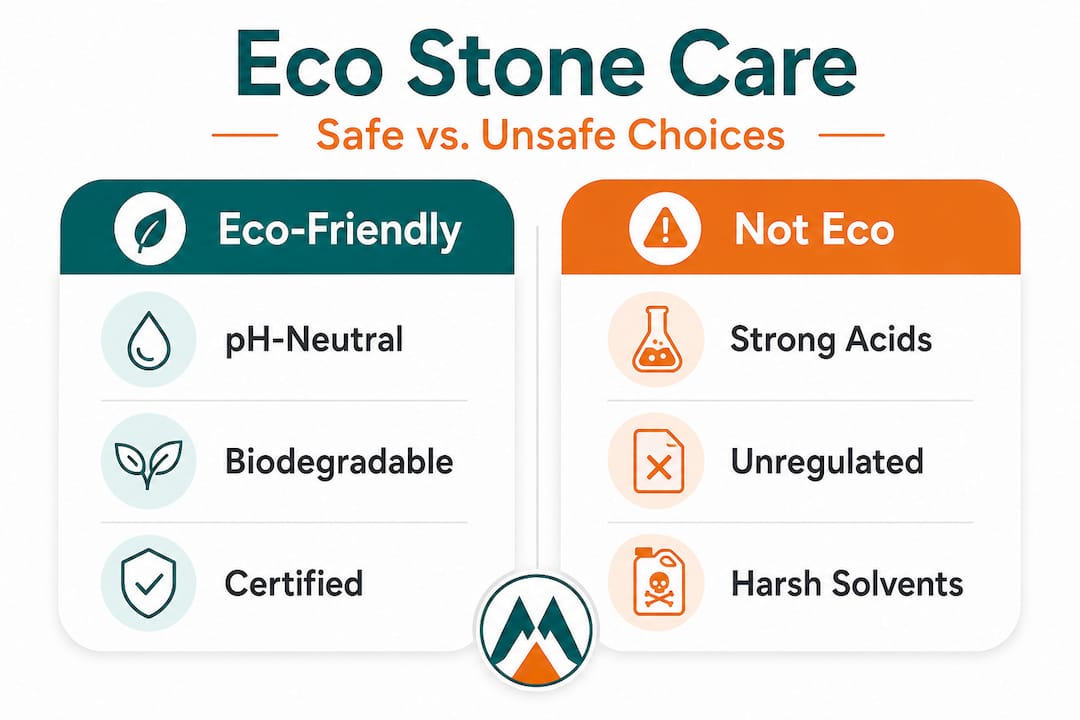
pH neutrality is the starting point. Eco-friendly stone care primarily involves using pH-neutral cleaners in the 6.5 to 7.5 range to avoid etching or dulling sensitive stones like marble, limestone, and travertine, while protecting sealants on granite. Anything outside that narrow window, whether too acidic or too alkaline, starts breaking down the crystalline structure of calcite-rich stones and degrading whatever protective sealer was applied.
The second layer is environmental safety. EPA Safer Choice certified products ensure low aquatic toxicity and biodegradability. This matters in South Florida particularly, where storm drains empty into the Intracoastal Waterway and Biscayne Bay. A cleaning agent that runs off your pool deck or patio doesn’t disappear. It ends up somewhere.
Here’s a quick breakdown of how common label claims compare:
| Label claim | What it actually means | Safe for stone? | Eco-verified? |
|---|---|---|---|
| “Natural” | Unregulated. No legal definition. | Not necessarily | No |
| “Green” | Marketing term only | Not necessarily | No |
| “Biodegradable” | Breaks down over time, but rate varies | Sometimes | Partially |
| “EPA Safer Choice” | Third-party verified, low toxicity | Usually, if pH-neutral | Yes |
| “pH-neutral” | Verified 6.5–7.5 range | Yes | Depends on formula |
The practical takeaway: look for products that combine pH neutrality and third-party environmental certification. Neither alone is sufficient. Using green cleaning solutions that meet both criteria protects your stone and your local ecosystem at the same time.
Common substances that seem eco-friendly but aren’t safe for stone:
- White vinegar (pH around 2.4, causes rapid etching)
- Lemon juice (similar acidity, same damage)
- Baking soda (mildly abrasive, can dull polished surfaces)
- Castile soap (leaves residue that clouds stone over time)
- Hydrogen peroxide (safe on some stones, damages others)
The problem with unregulated “natural” labels is simple: nature produces both water and hydrochloric acid. The word “natural” tells you nothing about whether a substance belongs on your travertine floor.
Do’s and don’ts: How to clean stone surfaces responsibly
Once you know what products to seek out or avoid, the next step is understanding exactly how to apply them for different stone types.
Cleaning stone responsibly isn’t complicated, but it does require a specific order of operations. Rushing or improvising leads to the kind of dull, etched, or discolored surfaces we see regularly on restoration jobs across Boca Raton and Miami.
Step-by-step DOs for eco-responsible stone cleaning:
- Sweep or dust-mop first. Grit and sand act like sandpaper underfoot. Remove dry debris before any liquid touches the surface.
- Dilute your cleaner correctly. Even pH-neutral products can leave residue if used at full concentration. Follow label instructions exactly.
- Spot-test in an inconspicuous area. Before applying any new product to a full surface, test a small, hidden section and wait 24 hours.
- Use soft, non-scratch tools. Microfiber cloths and soft-bristle brushes only. No scrubbing pads, no steel wool.
- Rinse thoroughly with clean water. Residual cleaner sitting on stone is one of the most common causes of long-term dullness.
- Dry immediately. Standing water, especially in South Florida’s humidity, promotes mineral deposits and encourages mold growth in grout lines.
These steps apply whether you’re maintaining stone maintenance basics for a bathroom floor or a high-traffic commercial lobby.
Now for the DON’Ts, and these are important because they’re where the most damage happens.
Experts warn that “natural” acids like vinegar and citrus juices etch calcite in 90 seconds, degrade sealants by 37%, and mislead consumers through unregulated labels. That etching is permanent without professional intervention. A 37% reduction in sealer effectiveness from a single cleaning session means your stone is suddenly far more vulnerable to stains, bacteria, and moisture absorption.
What we see most often on restoration calls: A homeowner switched to a “green” vinegar-based cleaner, used it weekly for three months, and ended up with a completely matte travertine floor that used to have a beautiful polished finish. The cleaner cost $8. The restoration cost significantly more.
High-pressure washing is another common mistake, especially on outdoor patios and pool decks. Avoid high-pressure washing because it causes spalling (surface flaking) and grout loss. For historic stone or delicate installations, the recommended method starts with plain water and soft brushes before anything else is introduced.
If you’re cleaning outdoor stone near garden beds or landscaping, pre-wet surrounding plants before you begin. This dilutes any runoff and reduces chemical uptake into the soil, which matters for both plant health and environmental responsibility.
Pro Tip: Keep a cheap pH testing strip kit near your cleaning supplies. Before you use any new cleaner on stone, dip a strip in the diluted solution. If it reads outside the 6.5–7.5 range, don’t use it. A $5 investment can save a $3,000 restoration.
For more on what professional stone cleaning can accomplish when DIY methods have already caused damage, there’s a significant difference between surface cleaning and true restoration.
Eco-friendly sealing and restoration: What works and what to skip
Cleaning alone isn’t enough. Sealing and longer-term restoration steps are essential for both durability and eco-friendliness.
A properly sealed stone surface is more eco-friendly than an unsealed one, for a simple reason: sealed stone resists stains and moisture, which means you clean it less often and use fewer products overall. Think of sealing as reducing your stone care footprint over time.
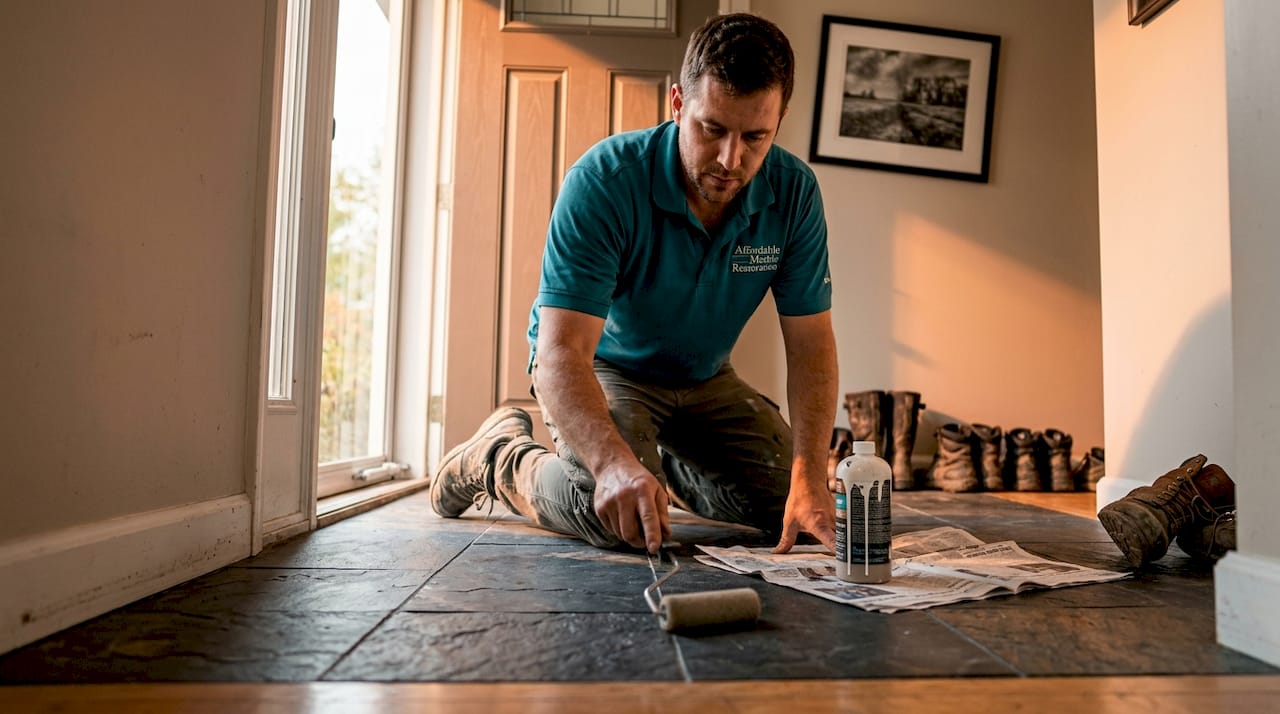
The sealing category has seen real innovation in recent years. Biodegradable strippers, nanoparticle sealers, and biocompatible options like chitosan-based formulas offer advanced protection with lower environmental impact. EPA Safer Choice certified sealers ensure low aquatic toxicity and full biodegradability when they eventually break down. These aren’t fringe products anymore. They’re increasingly available through professional restoration suppliers.
How to identify a genuinely eco-friendly sealer:
- Look for EPA Safer Choice certification on the label
- Confirm it’s water-based rather than solvent-based (lower VOC emissions)
- Check that it’s labeled “breathable” so moisture doesn’t get trapped beneath the surface
- Verify third-party testing for low aquatic toxicity, not just the manufacturer’s own claims
- Ask for a Safety Data Sheet (SDS) and look for absence of chlorinated solvents or heavy-metal compounds
Pro Tip: A breathable sealer is especially critical in South Florida’s climate. If moisture can’t escape through the stone, it builds up underneath the sealer, leading to bubbling, lifting, and white haze. That’s not an eco problem exclusively, it’s a durability problem that drives up waste and replacement costs.
The importance of sealing granite goes beyond aesthetics. A good sealer is the first line of defense against the bacteria, oils, and acids that slowly degrade the surface from daily use.
When removing old sealers before re-coating, use biodegradable stripping products rather than solvent-heavy formulas. Follow a careful travertine sealing workflow that includes proper ventilation at every stage. Even eco-friendly strippers should be applied in well-ventilated spaces with a proper respirator, because “biodegradable” refers to environmental breakdown after disposal, not necessarily to what you breathe in during application.
Pitfalls to avoid in eco-sealing:
- Trusting “eco” claims without EPA or third-party validation
- Skipping surface preparation before sealing (leftover residue prevents proper bonding)
- Applying too many coats (thicker isn’t always better and wastes product)
- Choosing sealers based on price alone without checking certifications
Eco benefits: Protecting your property and the environment
Now that you know the practical options, let’s see why eco-friendly stone care is genuinely worth it for both your home and the planet.
The business case for going eco on your stone care is actually stronger than most homeowners realize. Eco-friendly practices preserve stone integrity, reduce replacement waste, protect South Florida properties from climate damage, enhance value through longevity, and minimize environmental runoff through biodegradable products.
Let’s break that down in concrete terms for South Florida specifically:
- Longevity reduces replacement waste. A marble floor that lasts 40 years instead of 20 because of proper care means half the material, labor, and disposal cost. Natural stone quarrying is resource-intensive. Making the stone you have last longer is genuinely sustainable.
- Biodegradable cleaners protect local waterways. South Florida’s storm drainage systems connect directly to sensitive marine ecosystems. Conventional cleaning chemicals contribute to nutrient loading and algae blooms in coastal waters. Biodegradable alternatives minimize that impact.
- Properly sealed stone resists humidity and storm damage. With South Florida’s rainfall, humidity levels, and hurricane season, stone that isn’t properly protected deteriorates faster. Eco-sealed surfaces maintain their stone value and longevity through conditions that would compromise untreated stone.
- Curb appeal and rental income. For property managers, well-maintained stone surfaces are a direct driver of tenant satisfaction and lease renewals. Boosting rental value through quality stone care is a measurable return on investment.
Stone surfaces treated with consistent, properly chosen eco-friendly care routines last significantly longer and require fewer emergency restoration interventions. In a market where replacement materials and skilled labor are both expensive, prevention is far more cost-effective than correction.
There’s also a secondary benefit that rarely gets discussed: peace of mind. When you know the products you’re using won’t damage your family’s health, your pets, or the water supply, that’s worth something beyond the financial calculation.
The hidden truths about ‘eco’ stone care: Our perspective
We’ve restored stone in hundreds of South Florida homes, from oceanfront condos in Pompano Beach to historic estates in Coral Gables. And we’ll say something that might surprise you: most of the worst stone damage we see wasn’t caused by neglect. It was caused by well-intentioned people using the wrong “eco-friendly” products with total confidence.
The marketing trap is real. Brands spend significant money making bottles look natural, green, and responsible. None of those visual cues tells you the pH level or whether the product has been independently tested. A bottle with a leaf logo and the word “botanical” can still etch your marble in under two minutes.
What we’ve learned from actual field experience is that pH strip testing and third-party certification matter infinitely more than product aesthetics or brand storytelling. We carry pH strips on every job assessment. It takes ten seconds to test a cleaner, and it has saved surfaces that a homeowner was about to permanently damage.
The deeper issue is that proactive education changes outcomes more than any single product choice. Homeowners and property managers who understand why pH matters, why pressure washing outdoor travertine is risky, and why an EPA Safer Choice label is meaningful are the ones who make better decisions before the damage happens. Reading resources like expert stone care tips gives you the vocabulary to ask better questions.
Here’s our honest take: you, as the property owner or manager, have more power to raise the standard of eco stone care than you might think. When you ask vendors for certifications, when you request pH documentation, when you refuse to accept “it’s natural” as an answer, you push the whole market toward accountability. That’s not idealism. That’s exactly how consumer pressure has always driven product improvement.
Don’t wait for perfect products to appear on their own. Demand proof, test what you use, and consult professionals when you’re unsure.
Sustainable stone care — expert help when you need it
Understanding eco-friendly stone care principles is a strong first step, but applying them correctly to the specific stone types in your South Florida property is where experience makes the real difference. The wrong sealer, the wrong technique, or an overlooked pH issue can undo months of careful maintenance in a single session.
At Affordable Marble Restoration, we offer stone restoration for residential properties throughout Boca Raton, Miami, Pompano Beach, and surrounding areas. Our team uses eco-compatible, certified products tailored to your stone’s specific condition, whether we’re working on a travertine pool deck, marble entryway floors, or granite kitchen countertops. If you want a professional assessment of your stone’s current condition, the right sealing plan, and guidance on a sustainable maintenance routine, we’re here to help you get it right the first time.
Frequently asked questions
What is the safest cleaner for marble countertops?
A pH-neutral cleaner in the 6.5 to 7.5 range specifically formulated for stone is the safest choice, avoiding etching or dulling of marble’s sensitive calcite surface.
Is vinegar really bad for natural stone?
Yes. Vinegar etches calcite in as little as 90 seconds and degrades protective sealants by up to 37%, making it one of the most damaging substances you can put on marble, limestone, or travertine.
How do I know if a stone sealer is truly eco-friendly?
Look for third-party certifications like EPA Safer Choice and confirm the sealer is labeled biodegradable, water-based, and low toxicity rather than relying on unverified marketing claims.
Does eco-friendly stone care really help property value?
Eco-friendly practices preserve stone integrity and extend surface life significantly, which directly supports higher resale and rental values in South Florida’s competitive real estate market.
Recommended
- Why Restore Natural Stone? Protect Value, Beauty & Longevity
- 6 Expert Commercial Stone Care Tips for Facility Managers
- Boost Rental Value with Expert Stone Restoration Services
- Green cleaning for natural stone: safe solutions for marble & granite
- Why stone enhances interiors: a guide to luxury spaces – Marmorique
