

TL;DR:
- Proper stone restoration improves property appeal, reduces vacancy time, and extends stone lifespan.
- Sealing, using pH-neutral cleaners, and prompt spill response protect surfaces from damage.
- Professional restoration methods tailored to specific stones prevent costly replacements and boost rental value.
Boost Rental Value with Expert Stone Restoration Services
Many South Florida rental property owners assume natural stone floors and countertops are practically maintenance-free. They look solid, feel durable, and seem like they should handle anything tenants throw at them. The reality is far more complicated. Florida’s relentless humidity, high tenant turnover, and everyday spills create conditions that quietly destroy stone surfaces from the inside out. Ignoring proper restoration and maintenance doesn’t just make your property look dated; it costs you real money in repairs, vacancy time, and lost rent. This article walks you through why restoration matters, how to protect your stone correctly, which methods fit your property, and how to turn it all into stronger returns.
Table of Contents
- Why stone restoration matters for rental properties
- Best practices for cleaning and protecting stone surfaces
- Choosing the right restoration method for your rental property
- Maximizing property value and long-term returns
- Our take: The biggest mistakes owners make (and how to avoid them)
- Start restoring your rental property’s stone surfaces today
- Frequently asked questions
Key Takeaways
| Point | Details |
|---|---|
| Frequent sealing needed | South Florida rentals need stone resealing every 6 to 12 months due to high humidity. |
| Use stone-safe cleaners | Only pH-neutral, non-oily, and non-acidic cleaning products should be used on natural stone surfaces. |
| Professional methods boost ROI | Choosing the right restoration methods increases property value and reduces long-term maintenance costs. |
| Test before resealing | A simple water absorption test signals when your rental’s stone needs resealing. |
Why stone restoration matters for rental properties
South Florida’s climate is beautiful for residents but brutal on natural stone. The combination of heat, coastal salt air, and near-constant humidity creates conditions that accelerate wear on marble, travertine, limestone, and granite surfaces far faster than in drier climates. Moisture seeps into microscopic pores in the stone, and over time this leads to discoloration, surface deterioration, and a general dullness that no amount of mopping can fix.
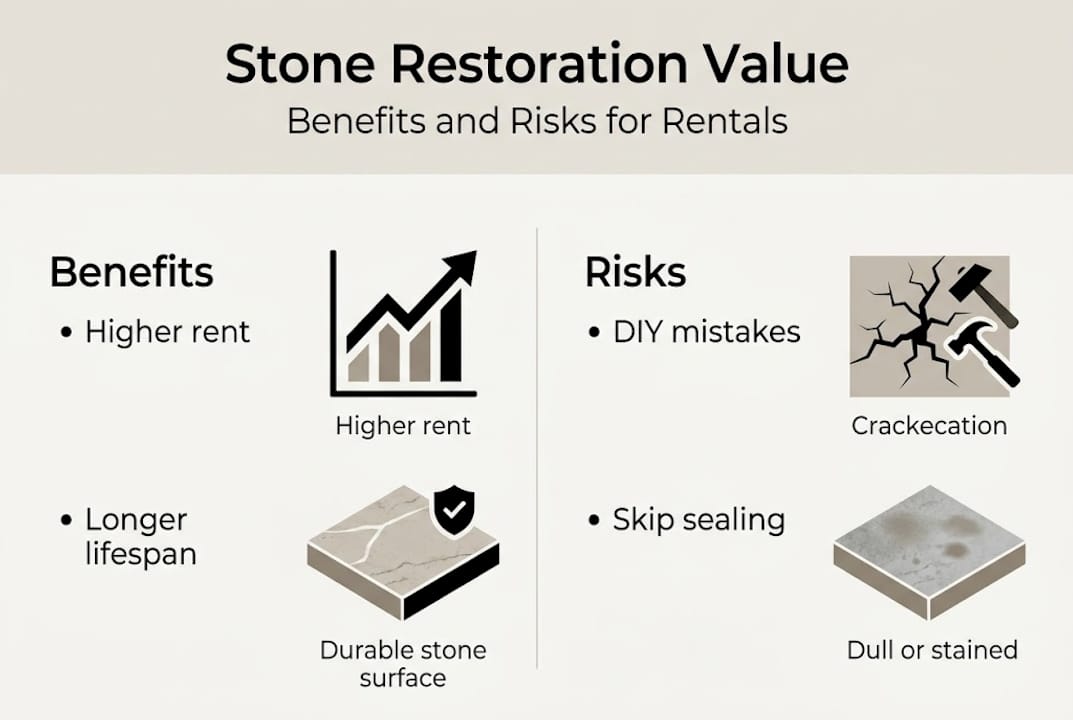
Rental properties face an additional layer of stress that owner-occupied homes don’t. Tenants cycle in and out, each bringing different cleaning habits, different footwear, and different levels of care. A marble kitchen countertop might survive one careful homeowner for a decade, but in a rental, it can show significant etching and scratching within two or three years. Spilled wine, citrus juice, and even some common cooking oils can etch polished marble almost instantly. Foot traffic in entryways and hallways grinds abrasive particles into stone floors, causing surface scratches that dull the finish gradually.
Understanding the stone restoration impact on your property’s market position is critical. Tenants looking at premium rentals notice the condition of stone surfaces immediately. A scratched, dull travertine floor or a stained marble bathroom sends a signal about how the property is managed overall. That perception directly affects how quickly you fill vacancies and what rent you can command.
Here is what proactive stone restoration actually delivers for rental owners:
- Restored surfaces resist new stains and etching more effectively, reducing damage between tenancy cycles
- A polished, well-maintained stone floor or countertop can increase perceived property value by a measurable margin at turnover
- Professional restoration extends the life of existing stone, deferring expensive full replacement
- Vacancy periods shrink when a property photographs and shows well, and stone condition plays a larger role in those first impressions than most owners realize
- Tenant complaints about surface quality drop significantly when stone is properly sealed and maintained
Worth noting: Florida humidity requires sealing every 6 to 12 months for most natural stone types. That schedule is not a upsell from restoration companies; it reflects how quickly South Florida’s conditions compromise sealant effectiveness.
The financial logic is straightforward. A professional restoration service costs a fraction of what full stone replacement runs, and it keeps your property competitive in a market where renters have plenty of options.
Best practices for cleaning and protecting stone surfaces
This is where a lot of well-intentioned rental owners go wrong. They hand tenants a cleaning kit, maybe leave a bottle of multi-surface spray under the sink, and assume the stone will hold up fine. That multi-surface spray is often the first thing that damages the stone.
Many popular household cleaners, including vinegar-based sprays, citrus degreasers, and even some dish soaps, are acidic or alkaline enough to etch polished stone surfaces on contact. Marble and limestone are particularly vulnerable because they are highly porous and acid-sensitive, meaning restoration for these stones specifically requires avoiding oily and acidic cleaners altogether. Travertine shares similar sensitivities. Even granite, which is more forgiving, can lose its sealed protection when exposed to harsh chemicals repeatedly.
For rental properties specifically, your cleaning and sealing approach needs to account for the fact that you cannot control what tenants use day-to-day. This makes the sealing schedule and the quality of that seal even more important.
Here is a practical step-by-step approach for rental owners managing stone surfaces:
- Seal before every new tenancy. Don’t wait to see damage. Fresh sealing before a new tenant moves in is your first line of defense and the easiest time to ensure it gets done properly.
- Use only pH-neutral stone cleaners. Stock these under sinks when tenants move in, and note in your lease or welcome letter that only stone-safe products should be used. A brief instruction sheet goes a long way.
- Inspect surfaces at every routine maintenance visit. Look for early signs of etching (dull spots on polished stone), water rings, or areas where sealer has worn through. Catching these early saves significant restoration costs.
- Schedule professional cleaning and resealing annually at minimum. For high-traffic areas like entryways, kitchens, and bathrooms, twice-yearly professional attention is worth every dollar.
- Address spills immediately in tenant communication. Include a clause in your welcome materials reminding tenants that acidic liquids like wine, juice, and coffee should be wiped up immediately, not left to sit.
For more detailed guidance on product selection, stone-safe cleaning products can make a significant difference in how long your stone stays protected between professional visits.
Pro Tip: Test whether your stone needs resealing by dropping a small amount of water on the surface and waiting 10 minutes. If the water darkens the stone or absorbs rather than beading up, the sealer has worn through and resealing should happen soon. This simple test takes 10 minutes and can save you hundreds in preventable damage. You can also find more targeted sealing and restoration tips tailored to South Florida’s specific conditions.
Choosing the right restoration method for your rental property
Not all stone problems require the same solution, and using the wrong method on the wrong stone type can create more damage than it fixes. This is especially relevant for rental owners managing multiple properties or dealing with surfaces that have been neglected for a few tenancy cycles.
The table below gives you a practical overview of the most common stone types in South Florida rentals, the issues they typically develop, and the recommended restoration approach:
| Stone type | Common rental issues | Recommended restoration method |
|---|---|---|
| Marble | Etching, dull finish, scratches | Honing to remove damage, re-polish, reseal |
| Travertine | Pitting, hole fill-out, staining | Grinding, hole filling, honing, sealing |
| Limestone | Scratches, moisture damage, yellowing | Weighted polishing, impregnating sealer |
| Granite | Dullness, minor scratches, stain rings | Cleaning, light polishing, penetrating reseal |
| Terrazzo | Cracks, discoloration, surface wear | Grinding, polishing, sealing or coating |
One of the most important distinctions for rental owners to understand is the difference between topical sealers and penetrating (impregnating) sealers. Topical sealers sit on the surface of the stone and can look glossy initially, but they trap moisture underneath, turn yellow over time, and peel in Florida’s humidity. Weighted polishing on textured limestone is one example where technique matters enormously, and topical sealers that trap moisture and yellow are a recognized problem with this stone type specifically.
Penetrating sealers absorb into the stone and protect from within without altering the surface appearance. For rental properties in South Florida, penetrating sealers are almost always the correct choice because they hold up better under humidity and cleaning cycles.
Knowing when to hire a professional versus attempting a DIY fix is another judgment call rental owners face regularly. Consider these situations where professional help is not optional:
- Deep etching or scratching requires honing with professional-grade diamond abrasives. Consumer products cannot reach the same result.
- Lippage correction (uneven tile edges that create trip hazards) requires grinding equipment that is not available to consumers.
- Pitting in travertine requires specialized hole fillers and grinding techniques to blend seamlessly.
- Large surface areas with consistent damage need professional equipment to achieve a uniform finish.
For a broader view of what professional work looks like in practice, the types of restoration services available covers a wide range of scenarios relevant to rental properties. If your investment includes marble flooring specifically, understanding marble floor restoration requirements helps you budget and plan more accurately.
One additional note worth highlighting: porous limestone can absorb significantly more sealer volume than other stone types, which affects both the cost and the number of sealer coats needed during restoration. Knowing your stone type before hiring anyone helps you ask better questions and avoid being undersold on necessary work.
Maximizing property value and long-term returns
Once you understand the restoration process, the next logical question is simple: does this investment actually pay off? For South Florida rental properties, the answer is consistently yes, and the returns show up in multiple ways.
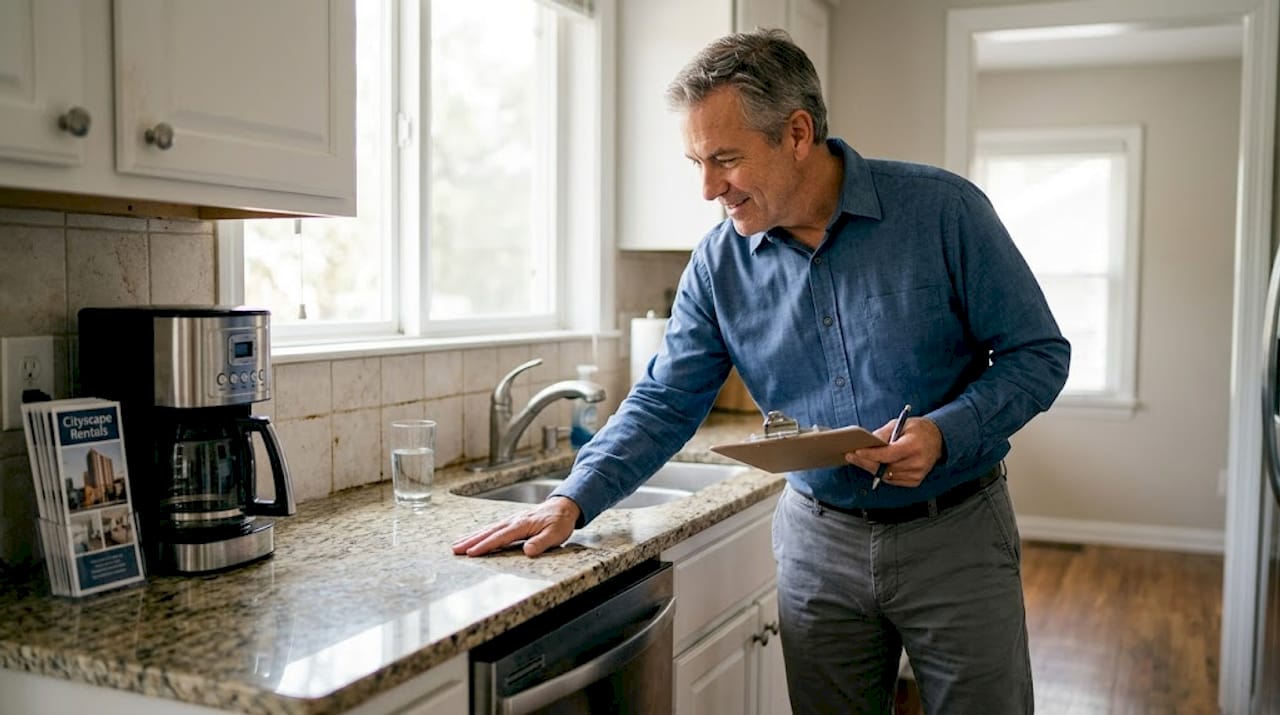
The table below illustrates a realistic picture of how restoration affects a typical South Florida rental unit:
| Metric | Before restoration | After professional restoration |
|---|---|---|
| Monthly rent achievable | $2,800 | $3,100 to $3,300 |
| Average days vacant at turnover | 28 days | 14 to 18 days |
| Tenant complaint rate (stone) | High | Significantly reduced |
| Cost of deferred stone repair | $3,000 to $8,000+ | $400 to $1,200 per cycle |
| Stone surface lifespan | Shortened by neglect | Extended 10 to 15 years |
These numbers reflect real patterns we see across South Florida rental properties. Restored stone directly boosts property value and reduces vacancy time, and the math on that is compelling when you run it across even one rental unit over a three-year period.
The rental listing angle is also something many owners overlook. When you invest in restoration before re-listing a property, professional photos of gleaming marble countertops and polished travertine floors outperform listings with visibly worn surfaces in click-through rates and showing requests. In a competitive rental market like Miami or Boca Raton, that visual edge translates directly into faster leasing.
Long-term maintenance costs also drop when restoration is done properly. A well-sealed stone floor that receives annual professional attention is far less likely to develop the deep structural damage that requires replacement. Replacement costs for natural stone flooring in South Florida typically run between $15 and $40 per square foot installed, making a $600 annual restoration service an obvious financial win.
To see how restoration connects to broader property investment strategies, residential stone restoration services provide a starting point for understanding scope and cost relative to property scale.
Pro Tip: When re-listing your rental after restoration, specifically mention stone surface upgrades in your listing description. Terms like “professionally restored marble” and “resealed travertine floors” attract quality-conscious tenants who typically stay longer and treat properties with more care.
Our take: The biggest mistakes owners make (and how to avoid them)
After working with rental property owners across South Florida, we see the same patterns repeatedly. The costliest damage rarely comes from deliberate neglect. It comes from well-meaning shortcuts.
The most damaging mistake is skipping the sealing schedule because nothing looks wrong yet. Stone damage is cumulative. By the time you can clearly see the problem, the surface has already been compromised at a level that requires professional honing rather than a simple reseal. A few hundred dollars spent on schedule prevents several thousand spent on correction.
The second most common error is assuming tenants will naturally avoid damaging cleaners. They won’t, not because they don’t care, but because they don’t know. Providing a simple one-page guide on what to use and what to avoid costs you nothing and protects your investment meaningfully.
We also see owners attempt DIY grinding or polishing with equipment rented from hardware stores. The results are almost always inconsistent, and in several cases we have seen amateur attempts create more damage than the original problem. When the surface requires real correction work, local restoration expertise is not a luxury; it is the difference between a recoverable situation and a replacement-level expense.
Set calendar reminders for resealing. Schedule annual professional maintenance. Give tenants the tools to protect your stone. These three habits alone will keep your stone surfaces in rental-ready condition year after year.
Start restoring your rental property’s stone surfaces today
If you manage rental properties in South Florida, the condition of your stone surfaces is either working for you or quietly costing you money. The information above gives you a framework for making smart decisions, but knowledge only creates value when you act on it.
At Affordable Marble Restoration, we work with property owners throughout Boca Raton, Miami, Pompano Beach, and surrounding areas to restore and protect stone surfaces across all property types. Whether your rental has granite countertops that have lost their shine or travertine floors showing years of tenant wear, we customize every restoration to the specific stone and situation. Explore our granite restoration services or browse all stone surface restoration options to find the right solution for your property. Contact us today for a free assessment.
Frequently asked questions
How often should I seal marble or limestone in a Florida rental?
You should seal marble or limestone every 6 to 12 months in Florida, because the high humidity breaks down sealers faster than in drier climates. High-traffic rental surfaces may need resealing closer to every six months.
What cleaning products are safest for stone surfaces in rentals?
Use pH-neutral, non-oily, and non-acidic cleaners specifically formulated for natural stone. Marble and limestone are especially acid-sensitive, so vinegar, citrus sprays, and general-purpose cleaners should never be used on these surfaces.
How do I know when to reseal stone in my property?
Drop a small amount of water on the stone surface and wait 10 minutes. If the water darkens or absorbs into the stone rather than beading up, the sealer has worn thin and resealing is needed.
Can I repair deep scratches or etching myself?
Deep scratches and etching require professional-grade diamond honing equipment and trained technique to correct properly. Attempting these repairs without professional experience typically worsens the damage and increases restoration costs.
