

Terrazzo Floor Restoration: Repair, Polishing & Maintenance Guide
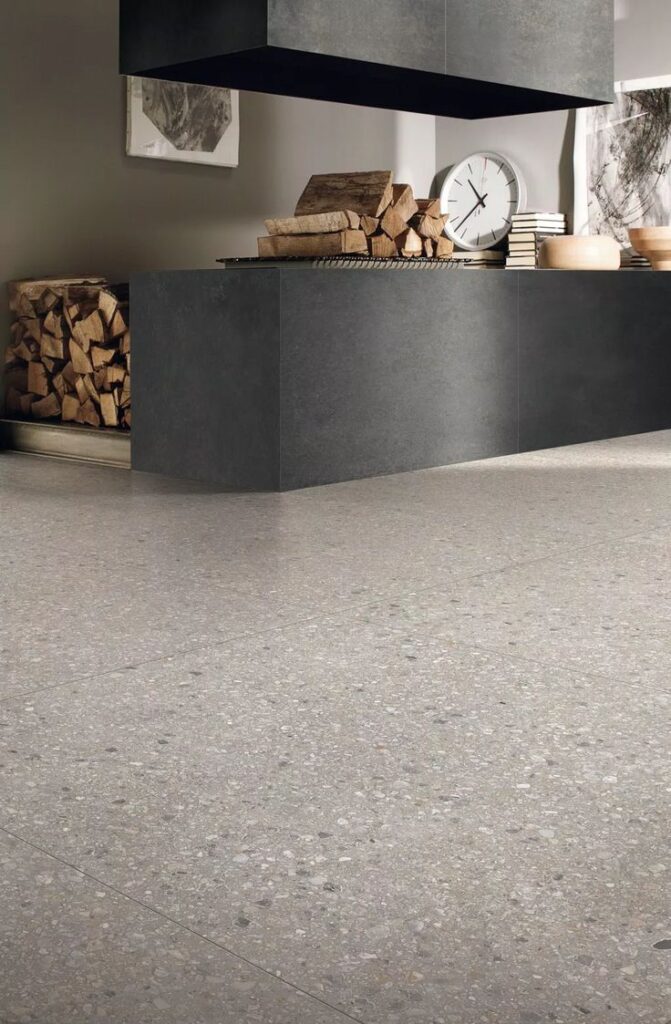
Terrazzo flooring is renowned for its durability, elegance, and timeless appeal. However, over time, even the most resilient terrazzo floor can suffer from wear, cracks, and discoloration. Instead of replacing it, professional restoration can revive its beauty and extend its lifespan. This guide covers everything you need to know about terrazzo restoration, including damage repair, polishing techniques, and selecting terrazzo samples for restoration to achieve a seamless look.
What Is Terrazzo Flooring?
Terrazzo is an engineered composite material that consists of marble, quartz, granite, glass, or other aggregates embedded in a cementitious or epoxy matrix. The composition and type of binder significantly impact the floor’s durability, porosity, and aesthetic finish. The two primary types of terrazzo flooring include:
- Cement-based terrazzo – A traditional option with a thicker, porous structure, often found in historic buildings. It requires an extended curing process but offers exceptional longevity.
- Epoxy terrazzo – A modern, high-performance alternative that is thinner, more flexible, and allows for an extensive range of colors and designs. It is resistant to cracking and provides a seamless, polished finish.
Understanding these structural differences is crucial when planning terrazzo floor restoration, as each material requires tailored repair, polishing, and maintenance techniques.
Common Terrazzo Floor Issues
Despite its durability, terrazzo flooring is not immune to damage. Different environments present specific challenges that affect its condition over time. Some of the most frequent issues include:
- Cracks and Chips: Heavy foot traffic, dropped objects, or structural movement can cause cracks and surface chipping. This is especially common in commercial spaces , such as shopping malls, hotels, and office buildings, where terrazzo endures continuous impact and shifting loads.
- Stains and Discoloration: Kitchen areas, restaurants, and industrial facilities often experience stubborn stains from oil, grease, acidic substances (e.g., lemon juice, vinegar), and harsh cleaning agents. If spills are not promptly cleaned, they can seep into the porous surface of cement-based terrazzo, causing long-term discoloration.
- Wear and Dullness: In high-traffic zones such as airports, hospitals, and school hallways, terrazzo floors can lose their luster due to constant abrasion from foot traffic, cleaning machines, and dragging furniture. Over time, this leads to a dull appearance and uneven wear patterns.
- Moisture Damage and Sealing Failures: Areas exposed to frequent moisture, such as hotel lobbies, restrooms, and outdoor walkways, can suffer from sealant degradation. Water infiltration may lead to efflorescence (a white powdery deposit), mold growth, and structural weakening of the terrazzo matrix.
Addressing these issues early with proper terrazzo repair and maintenance techniques prevents costly restoration work and helps preserve the floor’s aesthetic appeal for decades.
Terrazzo Restoration Process
Restoring a terrazzo floor involves several steps, each crucial for achieving a high-quality finish:
Step 1: Initial Assessment and Damage Evaluation
Before beginning the restoration process, professionals assess the extent of the damage. This includes identifying cracks, worn-out areas, and discoloration to determine the best approach for terrazzo restoration.
Step 2: Deep Cleaning and Surface Preparation
Removing dirt, stains, and old sealants is critical. The cleaning process includes:
- Using pH-neutral cleaners to remove grime.
- Diamond grinding to smooth the surface and eliminate deep stains.
- Dry or wet polishing to prep the floor for restoration.

Step 3: Polishing Terrazzo to Restore Shine
Polishing is key to bringing back the original luster of polished terrazzo. The process includes:
- Grinding with diamond abrasives to level the surface.
- Honing to refine the texture and enhance clarity.
- Buffing with a polishing compound to achieve a high-gloss finish.
Step 4: Sealing for Long-Term Protection
A high-quality sealer protects the restored terrazzo from stains, moisture, and wear. Options include:
- Water-based sealers – Eco-friendly and breathable.
- Solvent-based sealers – More durable, enhancing stain resistance.
Terrazzo Floor Damage Repair
Repairing terrazzo floor damage is a crucial part of the restoration process. Some common repair techniques include:
Fixing Cracks and Chips
- Filling cracks with epoxy resin or cement-based terrazzo.
- Matching the original terrazzo composition to blend repairs seamlessly.
Resin vs Cement-Based Patching
- Resin-based repair – Suitable for minor cracks and faster drying.
- Cement-based repair – Ideal for historic restorations and structural cracks.
Blending Repairs with Existing Terrazzo Design
Color-matching techniques ensure that patched areas do not stand out. Terrazzo floor care experts carefully select aggregates and binders that replicate the original pattern.
Choosing Terrazzo Samples for Restoration
Selecting the right terrazzo samples for restoration is vital to achieving a uniform appearance. Key factors include:
Matching Colors and Aggregate Materials
- Using the same stone and glass chips as the existing floor.
- Matching binder shades to create a seamless finish.
Custom Terrazzo Design Options
For modern updates or partial restorations, custom blends can be created to match existing floors while adding a unique touch.
Selecting the Right Finish for Durability
- Matte finish – Provides a subtle, non-glossy look.
- High-gloss finish – Enhances reflectivity and elegance.
- Slip-resistant finish – Ideal for commercial spaces and high-traffic areas.
Maintenance Tips for Long-Lasting Terrazzo Floors
After restoration, proper maintenance ensures the longevity of your terrazzo flooring. Follow these essential tips:
- Daily Cleaning: Use a damp mop and pH-neutral cleaner to prevent stains.
- Avoid Harsh Chemicals: Acidic or abrasive cleaners can damage the sealant.
- Use Protective Pads: Place furniture pads to prevent scratches.
- Regular Polishing: Light buffing maintains the floor’s shine.
- Periodic Resealing: Reapply sealant every few years to enhance durability.
Restoring a terrazzo floor is a cost-effective way to maintain its beauty, durability, and value over time. Whether dealing with cracks, stains, dull surfaces, or moisture damage, following a strategic terrazzo restoration process ensures that your flooring remains in pristine condition for years to come. Professional terrazzo floor damage repair and selecting high-quality terrazzo samples for restoration can help achieve a seamless and long-lasting finish.
- Marble Polishing Techniques
Polishing is a key step in marble floor restoration, helping to restore shine and eliminate minor imperfections.
DIY Polishing (For Surface-Level Restoration):
- Use a marble polishing powder designed for natural stone. Apply a small amount to the affected area and buff gently using a soft, dry cloth or microfiber pad.
- For slightly dull areas, a non-abrasive marble polish can be applied with a low-speed buffer or by hand in circular motions.
- Ensure the surface is clean and dry before applying any polish to prevent streaking or residue buildup.
Professional Restoration (For Deep Polishing & Refinishing):
- Diamond Honing: Professionals use industrial-grade diamond abrasives to grind away a thin layer of marble, removing deeper scratches, stains, and etching. This process smooths the surface and prepares it for polishing.
- High-Speed Mechanical Polishing: After honing, specialized polishing compounds and equipment are used to achieve a high-gloss or satin finish, depending on the desired look.
- Crystallization Treatment: A chemical reaction is induced using fluorosilicates to strengthen the surface, enhance shine, and increase stain resistance.
- When to Hire Professionals
Some marble floor damage goes beyond what DIY methods can fix. In these cases, professional restoration ensures a uniform, high-quality finish and protects the structural integrity of the stone.
- Deep scratches and cracks: If scratches are visible under various lighting conditions, or if cracks extend beyond the surface, professional grinding and filling may be required.
- Severe etching or discoloration: DIY polishing can only correct minor etching; deep damage requires honing and refinishing.
- Lippage or uneven flooring: If tiles are misaligned or uneven, experts use diamond abrasives to level the floor without damaging the surrounding tiles.
Large-scale restoration: If an entire room or high-traffic area needs polishing, professionals use specialized equipment to ensure even restoration and long-lasting results.
For those seeking expert Terrazzo Restoration Services in Miami, AFFORDABLE MARBLE RESTORATION has been a trusted provider for over 20 years. With extensive experience in terrazzo repair, polishing, and maintenance, their team ensures that both residential and commercial terrazzo floors regain their original luster and strength. Contact them today to bring your terrazzo back to life with professional craftsmanship and high-quality restoration solutions.
