

(DIY Guide & Maintenance Tips)
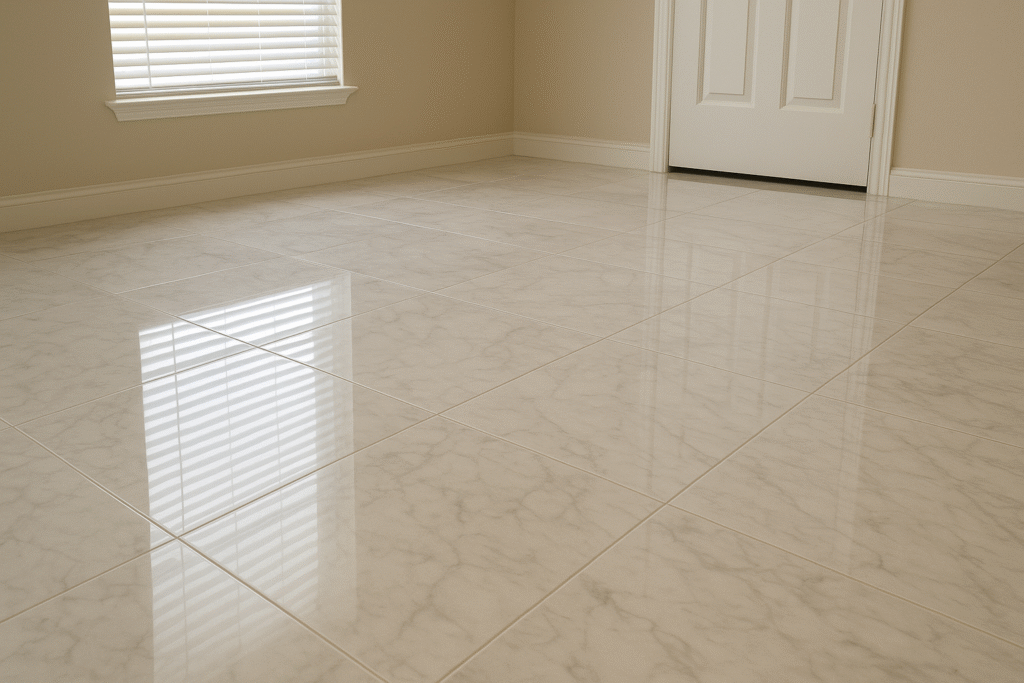
Marble floors add a timeless elegance to any home. But without proper care, their natural shine fades and the surface becomes scratched, dull, or stained. In this post, we’ll walk you through how to polish marble floor at home step by step giving you practical tips to restore that beautiful shine and maintain it long-term.
Why Polish Your Marble Floor?
Polishing your marble floor isn’t just about looks. It also helps with:
- Restoring shine: Over time, dirt and foot traffic reduce the glossy finish of marble. Polishing brings back its natural glow.
- Removing fine scratches and etches: Polishing smooths out micro-scratches and dull spots so the surface reflects light evenly.
- Protecting the surface: A polished and sealed marble surface resists stains and moisture better, enhancing durability.
- Maintaining property value: A well-kept marble floor keeps your home looking luxurious and valuable.
Preparations Before You Start
Polishing marble floor at home is easier when you plan ahead. Gather your tools, clean the area, and avoid common mistakes.
| ✅ Do’s | ❌ Don’ts |
|---|---|
| Use pH-neutral stone cleaner or mild dish soap solution. | Don’t use vinegar, lemon juice, or strong acids—they can etch marble. |
| Use microfiber cloths, soft mops, and clean water. | Avoid steel wool, generic scrubbers, or steam cleaning. |
| Clear the room of furniture and rugs before polishing. | Don’t skip the dusting or vacuuming step—grit can scratch while polishing. |
| Identify whether your marble is natural or cultured. | Don’t assume all polishing products work for every marble type. |
Tools and Materials You’ll Need
- Microfiber mop and soft cloths
- Bucket of warm water
- pH-neutral cleaner or mild dish soap
- Marble polishing powder or paste
- Soft buffing pad or low-speed floor buffer (optional)
- Marble sealant (for finishing and protection)
Step-by-Step: How to Polish Marble Floor at Home
1. Deep Clean the Surface
Start by removing any dirt or debris.
- Sweep or vacuum thoroughly.
- Mop with a mild soap or pH-neutral cleaner diluted in warm water.
- Rinse the surface with clean water to remove residue.
- Allow the floor to dry completely before polishing.
2. Inspect and Repair
Before polishing, check the surface carefully.
- Identify any stains, etching, or dull spots.
- Use a marble-safe poultice for light stains.
- For deep scratches or heavy damage, professional restoration might be required.
3. Apply the Polishing Medium
Now it’s time to restore the shine.
- Sprinkle or apply marble polishing powder or paste evenly on the surface.
- Dampen slightly with clean water if needed.
- Work in small sections to control the process and ensure even polishing.
- If using cultured marble, apply a non-abrasive wax or polish designed for that material.
4. Buff and Polish
- Use a soft microfiber cloth or a floor buffer with a gentle pad.
- Move in circular or overlapping motions.
- Keep the cloth or machine moving to avoid overheating the stone.
- Wipe away residue with a clean, damp cloth and dry the surface immediately.
5. Seal the Surface (Optional but Recommended)
After polishing, applying a marble sealant helps protect your floor.
- Follow the product instructions carefully.
- Apply evenly using a soft cloth or applicator pad.
- Let it cure fully before walking on the surface.
Maintenance Tips to Keep Your Marble Floor Shining
Polishing your marble floor at home is only the first step. Proper care will help keep that shine for years.
- Daily: Sweep or dry mop to remove grit and dust.
- Weekly: Mop with a damp microfiber mop and a mild cleaner.
- Monthly: Check for dull areas and re-buff lightly if needed.
- Every 6–12 months: Test the sealant if water soaks in, it’s time to reseal.
- Preventive Care:
- Use rugs or mats in entryways.
- Attach felt pads under furniture legs.
- Avoid dragging heavy furniture.
- Keep the floor dry to prevent stains.
Quick Reference: Do’s & Don’ts for Marble Floor Polishing
| ✅ Do | ❌ Don’t |
|---|---|
| Use pH-neutral cleaners and soft cloths. | Use vinegar, ammonia, or bleach. |
| Buff with soft pads and rinse thoroughly. | Drag heavy furniture across the floor. |
| Apply polish and sealant for protection. | Assume all marble types are the same. |
| Sweep regularly to prevent scratches. | Ignore small scratches—they worsen over time. |
Frequently Asked Questions (FAQs)
Q: How often should I polish my marble floor?
A: For most homes, polishing once every 1–2 years is ideal. High-traffic areas may need more frequent touch-ups.
Q: Can I polish marble floor at home without a machine?
A: Yes. You can use polishing powder and a microfiber cloth for light polishing. Machines are helpful but not essential.
Q: Is baking soda safe for polishing marble?
A: Baking soda can be used in a diluted paste for minor polishing, but always rinse thoroughly to avoid residue buildup.
Q: Can I clean marble with vinegar or lemon juice?
A: No. These are acidic and can permanently dull or etch marble surfaces.
Q: Should I seal marble after polishing?
A: Yes. Sealing helps prevent stains, water damage, and dullness over time.
Conclusion
Learning how to polish marble floor at home is an excellent way to keep your home looking elegant and well-maintained. With the right tools, a careful approach, and regular maintenance, you can achieve professional-level results on your own.
Start with a deep clean, polish with patience, buff to a perfect shine, and seal to preserve that glossy finish. When you care for your marble floors properly, they’ll stay beautiful and durable for many years to come.
